Sculpting Digital Selves: My Journey Through Once Human’s Character Creation
Import your character appearance in Once Human to resurrect your Meta-Human's face, but beware: the body returns without its past.
I stepped into the world of Once Human not as a survivor, but as a blank canvas awaiting a soul. The first thing that greeted me was not a landscape of post-apocalyptic despair, but a mirror — an invitation to craft the face that would face this fractured earth. The character creation system unfolded like a poet’s manuscript, each slider a verse, every contour a stanza. Eyes could be tilted to catch a forgotten sunrise, noses sculpted to breathe in the dust of forgotten cities, and the weight of the body set as if to bear the weight of the world. I realized, standing there in that liminal space, that I was not merely designing an avatar; I was breathing life into a Meta-Human, a vessel for my hopes and fears in a game that promised endless seasons of transformation.
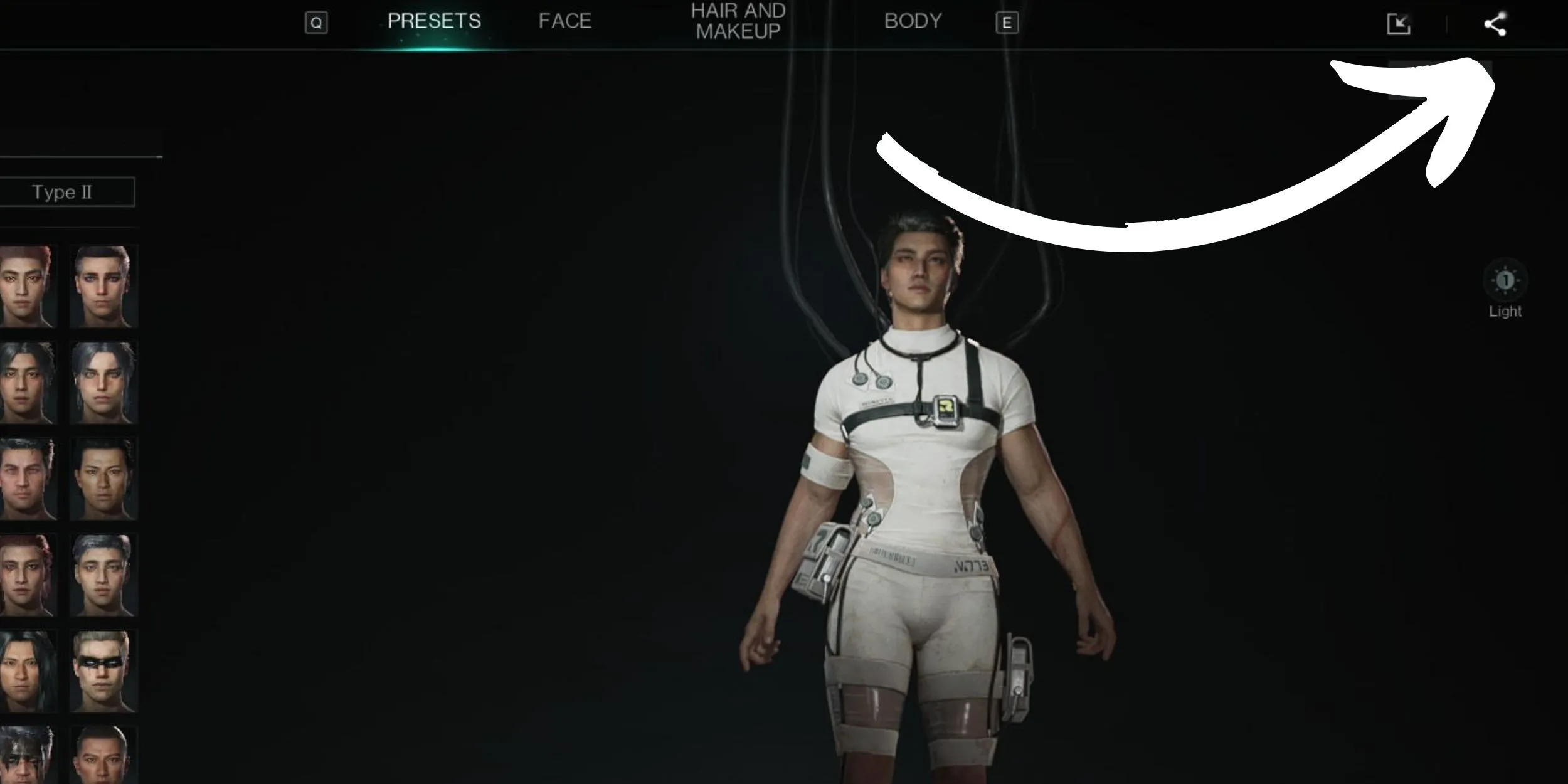
For hours I lingered, adjusting the arch of a brow, the fullness of lips, the way light might fall upon a cheekbone. The process was meditation and madness intertwined. Some souls, I know, find joy in this delicate dance of digits, but for me, it began to feel like a labyrinth with no center. The infinite choices threatened to drown me in possibilities. That’s when I discovered the gift left by other dreamers: presets, frozen poems captured in the amber of data, ready to be reborn. I heard the whispered secret of the community — that one could preserve their character’s appearance in an image, a talisman bearing a QR code. It was a promise of continuity across servers, a thread to stitch one identity through the unraveling tapestry of seasons.
The very act felt sacred. In the top right corner of the creation screen, a Share button glowed like a lantern. Pressing it manifested a unique configuration — a square of black and white magic, holding the blueprint of my creation’s face. With a click on the download icon, I saved my Meta-Human’s visage, an exhalation of design trapped on my hard drive. It was a portrait not of flesh, but of intent, a digital ghost I could summon at will. And summon I did, when the next season beckoned. Beside the Share button rested the Import icon, a doorway to déjà vu. I clicked, then touched the “+” sign, a seed waiting to be planted. Choosing that QR-coded image, I watched my past self materialize, the same eyes, the same scars, the same silent story written upon the skin.
Yet what is a soul without its memories? Here lies the bittersweet truth of Once Human’s character import: it carries the shell, but not the storm within. The body I so lovingly restored stepped into the world naked of its history. Stats, inventory, progress, achievements — all turned to dust on the wind. A new character born from an old face begins with a tabula rasa, default and unblemished, clutching nothing but the ghost of a familiar smile. It is resurrection without redemption, a poignant reminder that in this world, you can cheat the face but never the fate.
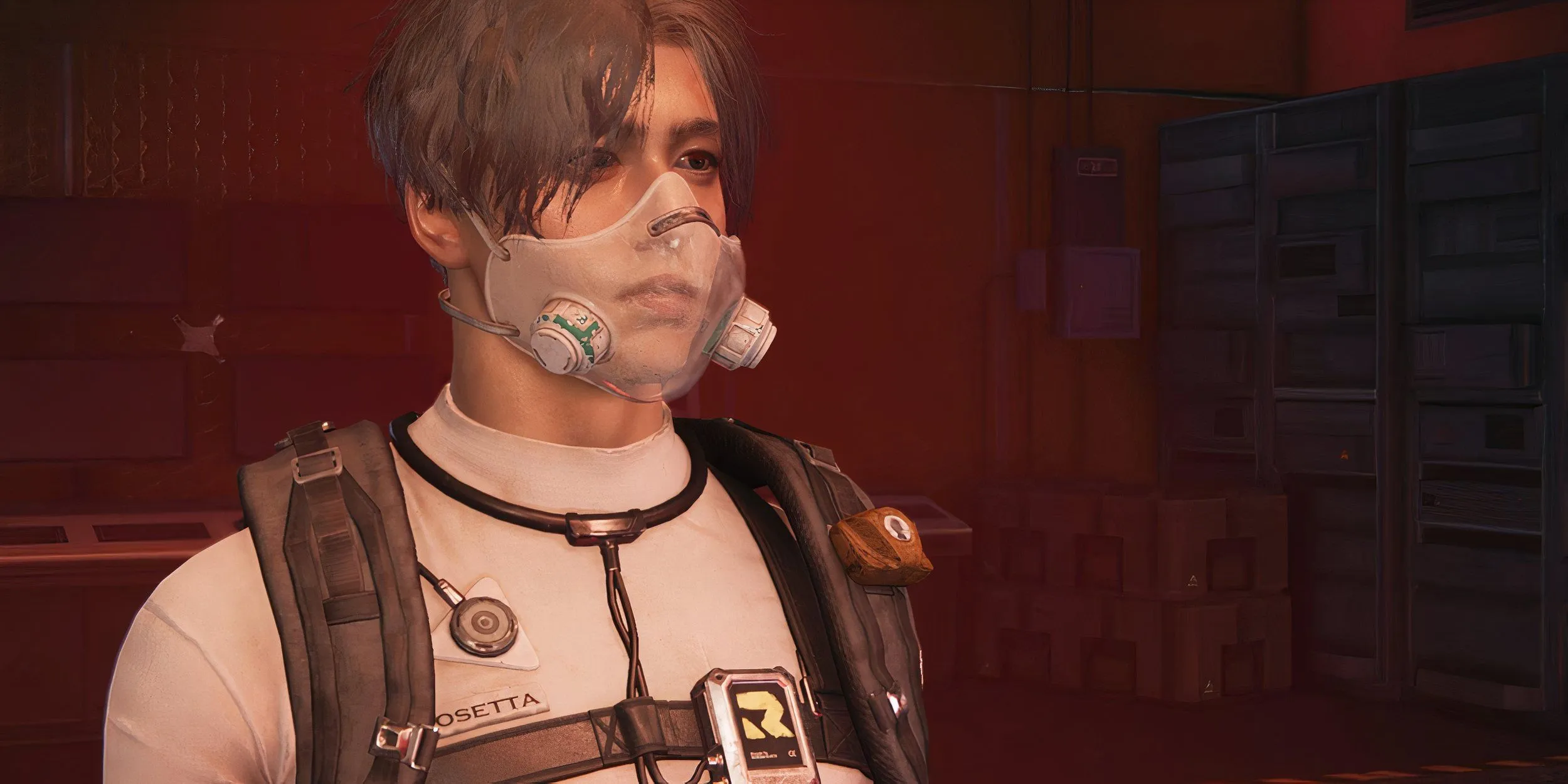
The community, that sprawling web of Reddit and Discord, became my oracle. I wandered through galleries of custom character codes, each a testament to another player’s vision. Some faces were fierce, carved by the harsh winds of imagined wastelands; others delicate, as if they belonged to a world not yet broken. I traded my creations like secret letters, and in that exchange I felt a strange kinship — we were all sculptors of the ephemeral, sharing clay that could never fully set. The QR codes became our sigils, passed hand to hand in anticipation of the next great wipe.
And when doubt crept in — when I gazed upon my avatar and saw not a reflection but a mask grown unfamiliar — I learned there was no simple delete button to erase the past. A character, once born, persists like an echo. To alter it after that first breath, I had to build a Floor Mirror in my base. There, in that humble piece of furniture, the Character Creator would reopen its endless corridors. I could reshape the jaw, repaint the skin, even change the very gender of my digital self. Each modification birthed a new QR code, a fresh portrait to capture the evolution of my inner eye. The mirror became my confessional, my studio, my altar to the gods of permutation.
Standing before that mirror in the soft glow of my base, I ponder the poetry of it all. In a universe where everything decays, where servers become graveyards and progress is washed away by seasonal tides, the face endures as the one constant we can carry. It is a fragile anchor, a sigil of selfhood printed in binary. This system, with its import of appearances and its denial of essence, mirrors a deeper human truth: we can never truly start over, but we can always carry our mask forward, hoping that behind it, the soul might one day follow.
So I continue to craft, to save, to import, and to share. Each code becomes a stanza in an epic poem written across dimensions. In Once Human, the face is never just a face — it is the story we choose to tell again and again, until the final server goes dark.