Once Human's Cosmetic Unification: How a 2024 Backlash Shaped a Fairer Survival MMO
Once Human's cosmetic sharing update by Starry Studio made all purchased cosmetics account-wide, retroactively, after community backlash.
In the ever-shifting landscape of live-service survival games, Once Human has carved out a peculiar nook. By 2026, the free-to-play title from Starry Studio has matured into a multi-platform phenomenon, but its journey toward player-friendly monetization was anything but smooth. Two years back, in the sweltering July of 2024, a storm brewed on social media that would fundamentally alter how the game treated the fruits of a player’s wallet. Back then, cosmetics were stubbornly tethered to a single character, and the community’s patience was wearing thinner than a weathered tent in a sandstorm.
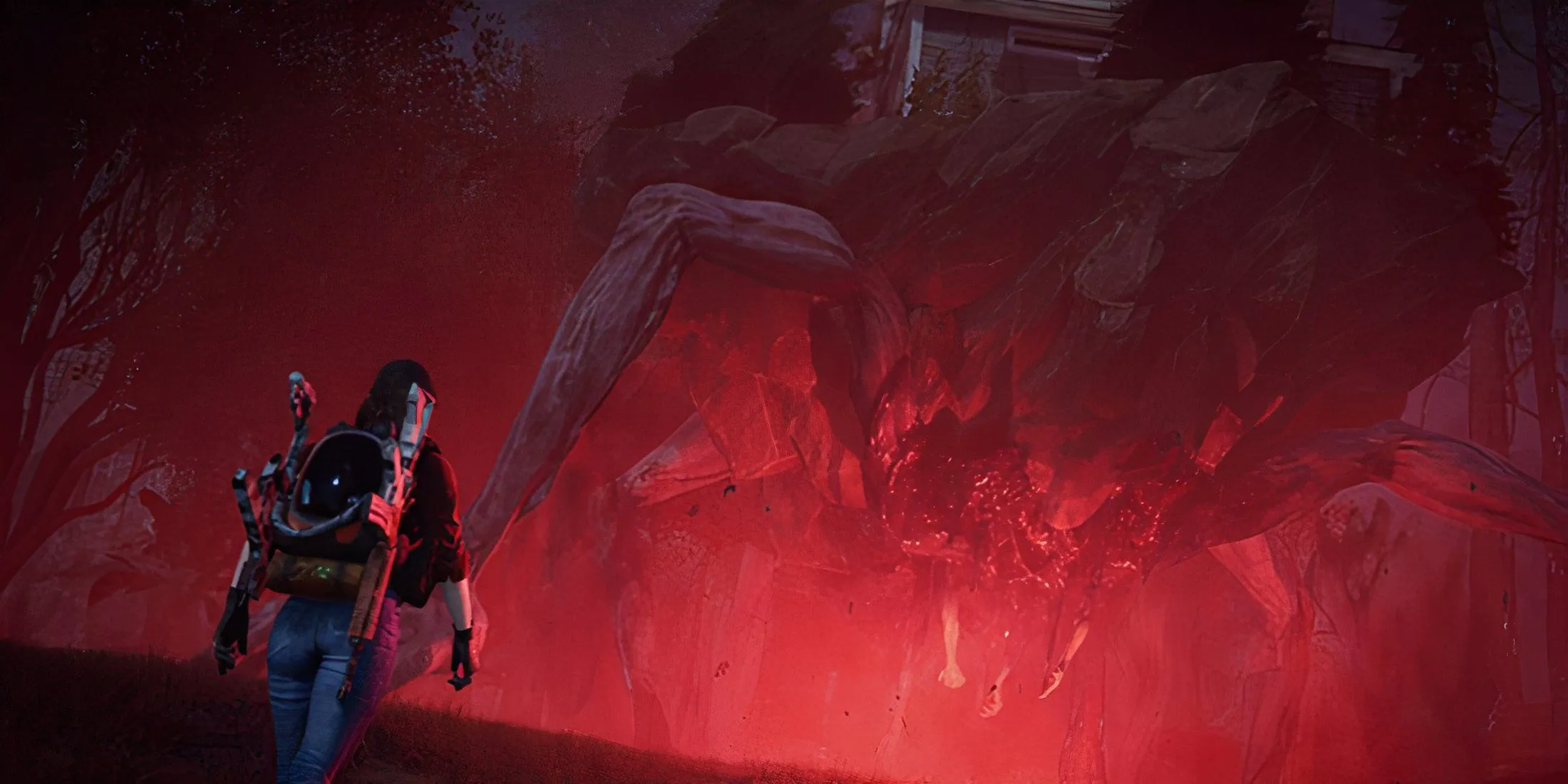
The crux of the controversy was simple yet maddening: a player who bought a sleek, post-apocalyptic outfit for one alter ego couldn’t drag that look onto another character on the same account. For a game that encouraged experimentation with different builds and playstyles, this felt like a slap with a rusty pipe. The murmurs grew into a roar when an indie developer known as Pirate Software took to Twitter, detailing a lengthy conversation with Once Human’s developers and community manager. The feedback was blunt—cosmetics locked to a single slot made the in-game shop feel less like a boutique and more like a tollbooth. And honestly, who enjoys paying the same toll twice just to cross the same bridge in a different jacket? The mood across the player base was equal parts frustration and weary acceptance, but the dialogue had cracked open a door.
Starry Studio’s response, delivered through the game’s official Twitter feed, proved they were actually listening—and not just with one ear while scrolling through damage logs. The team pledged that by August 2024, all purchased cosmetic items would become accessible across every character on the same account. Even previously bought skins would retroactively join the shared wardrobe, a move that surprised many. More impressive was the promise to refund in-game currency for any duplicate cosmetic purchases players had already made. Imagine that: a developer not only fixing a broken system but also cleaning up the spilled soup. It was a rare moment of corporate empathy in an industry often allergic to admitting fault.
The uproar didn’t stop at cosmetics. Pirate Software had also aired grievances about the mandatory seasonal resets that acted like a recurring amnesia spell on a player’s progress. Unlike the optional fresh starts in games like Diablo 4, where a new season can feel like a communal rebirth, Once Human forced everyone to lose their hard-earned gear and bases when the calendar flipped. This design choice left many feeling hollow, as if the game was a sandcastle the tide was scheduled to demolish on a timer. Crafted items, too, stirred discontent. Their non-repairable nature meant a beloved weapon would inevitably crumble to dust, turning the crafting bench into a temporary forge of soon-to-be-forgotten tools. Pirate Software’s remark that crafted gear felt like \u201cbaselines I should use only when I have to\u201d resonated like a tuning fork struck against the ribs of the community.
At the time, Starry Studio made no immediate vows to redesign seasonal resets or item durability, but they acknowledged the rumbles. The development team, during that hour-long conversation, demonstrated a receptiveness that planted seeds of hope. They understood that the community’s reservations weren’t just noise; they were a roadmap etched in exasperated forum posts and discord pings. That transparency, even without instant fixes, started to heal the bruises. It was a classic tale of \u201cwe see you, we hear you, and we’re thinking hard,\u201d which, let\u2019s be real, is often better than radio silence wrapped in a corporate patch note.
Fast forward to 2026, and those promises have long since bloomed into reality. The cosmetic unification system arrived on schedule in August 2024, a patch that felt less like an update and more like exhaling after holding your breath. Since then, the account-wide wardrobe has become a staple, letting players flit between characters without leaving their favorite looks behind. The refunds for duplicate purchases were processed, quietly padding digital wallets and rebuilding trust. On the seasonal front, Once Human eventually introduced more nuanced reset options\u2014partially inspired by the feedback\u2014allowing legacy progression items to carry over in limited forms, softening the blow while keeping the seasonal economy fresh. And those fragile crafted weapons? A repair bench finally made its debut in a 2025 expansion, giving survival a more satisfying rhythm: build, break, mend, repeat.
The game’s expansion to consoles in 2025 also widened the player pool, bringing in fresh voices that benefited from the reformed systems right out of the gate. Today, Once Human sits with a \u201cVery Positive\u201d recent rating on its primary storefront, a far cry from the mixed reception of its launch weeks. The community-management pipeline that Pirate Software helped clear has become a model—developers now hold quarterly roundtables, and the sting of past grievances has softened into a shared lore of how player advocacy can reshape a digital world. It’s a reminder that even in a post-apocalyptic sandbox, the most valuable resource isn’t concrete or copper; it’s the willingness to listen when the wasteland speaks up. And speak up it did, in 2024, loud enough to echo all the way into a more unified 2026.