Once Human Gear Repair: The Brutal Art of Fixing Your Apocalypse Toys
Master gear repair in Once Human with the Gear Workbench to prevent weapons from breaking mid-fight, using crafting resources instead of generic kits.
I remember the first time my trusty rifle snapped mid-magazine dump against a towering Deviant. The sound of metal screeching into oblivion was like a death knell in a silent disco—everyone heard it, everyone panicked, and I was left holding what was essentially a very expensive club. That’s the harsh reality of Once Human in 2026: your gear doesn’t love you back. It’s a clingy, high-maintenance friend that demands constant attention, and if you ignore it, it’ll spectacularly self-destruct right when you need it most.
Repairing your equipment in this post-apocalyptic sandbox is the difference between being a force of nature and a very sad, naked survivor weeping in a bush. The process itself is deceptively simple, but the devil—and several unsung caveats—hide in the details. So, let’s talk about how to stop your guns and armor from becoming glorified paperweights.
The heart and soul of your repair operation is the Gear Workbench. Think of it as the confessional booth where you atone for the sins of abusing your gear. If you somehow haven’t built one yet (perhaps you’ve been too busy turning glowshrooms into questionable stews), here’s what you’ll need to toss together:
-
30 Copper Ingots
-
10 Metal Scraps
-
10 Shabby Fabric
-
5 Adhesive
Gather these, plop down the workbench, and place it somewhere you can’t trip over—because you’ll be sprinting to it frantically at 2 AM when your shotgun decides to go on strike.
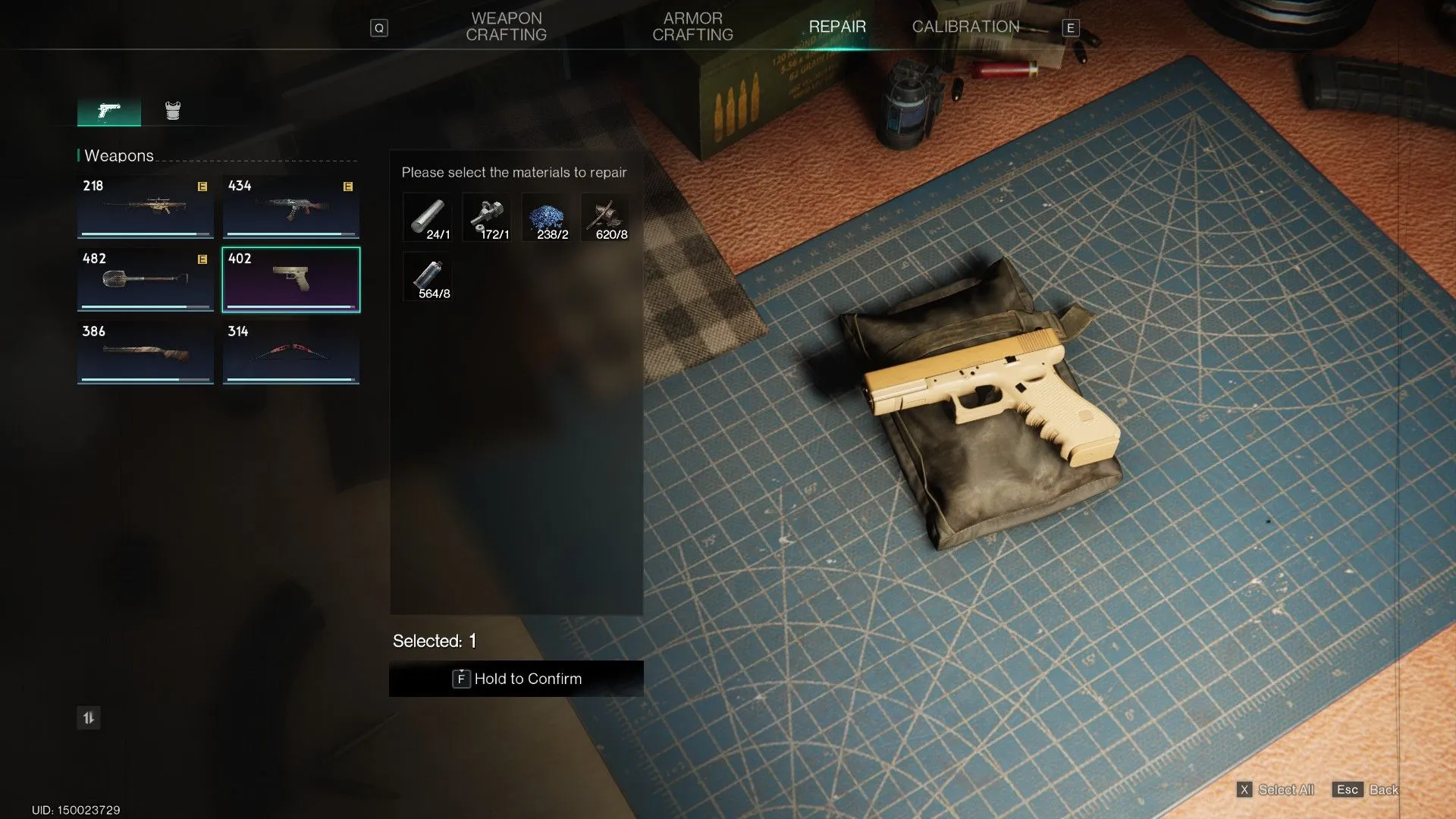
Once you’ve got the bench, interact with it and click over to the Repair tab. The UI is mercifully straightforward: you’ll see your arsenal and armor listed, with an icon to swap between weapon and armor categories. Hover over any beloved tool of destruction to see what it demands in return for a fresh breath of life. Here’s the catch: the materials aren’t some generic “repair kit” nonsense. No, they mirror exactly what you needed to craft the damn thing in the first place. So repairing a Steel-tier rifle will cost you steel, not pocket lint. It’s like feeding a gremlin—you can’t give it after-midnight snacks and expect it to work. It forces you to actually engage with Once Human’s resource economy rather than just coasting on scraps.
To finalize the repair, you hold the F key like you’re signing a mortgage. A brief animation plays, and your gear’s durability bar fills back up, as if it just drank a double espresso. But here’s where things get spicy.
The first major rule, carved into the very code of the game, is that you can only repair items you own. Specifically, that means anything you’ve personally crafted, not the shiny loot you rip off a defeated enemy or find in a dusty crate. That looted SMG with the fancy camo? It’s a rental. A disposable fling. Attempting to repair it is like trying to fix a borrowed car after you’ve wrecked it—the universe simply won’t allow it. My advice: use those found weapons like a kid at a candy store, then ditch them before they crumble into dust. Get attached, and you’ll end up heartbroken and unarmed.
The second unbreakable rule is that pickaxes are the expendable red shirts of Once Human. They don’t get repair privileges. When a pickaxe shatters, it’s gone, reduced to atoms, never to be seen again. It’s a brutally disposable tool, more like a toothpick than a piece of gear. So, unlike a high-maintenance sword you’d nurse with care, your pickaxe is a one-way ticket to resource town, and you’d better have a stack of them in your backpack. I always keep at least three—because nothing says “I’m prepared” like being the guy who whips out a fresh pickaxe mid-conversation.
But wait, the apocalypse has a silver lining. Once you reach the Bronze tier for tools and above, those worn-out pickaxes aren’t totally worthless. Instead of throwing them into the void, you can sell them for a hefty chunk of Energy Links. It’s like trading in a car with no wheels—somehow, the dealer still gives you cash. This little quirk transforms your breaking pickaxes into a bizarrely profitable side hustle, so you can feel slightly less terrible watching your favorite mining buddy disintegrate for the hundredth time.
Now, all of this might sound straightforward, but the mental gymnastics it requires are wild. I’ve developed a personal ritual: after every major fight, I scurry back to base and frantically check durability percentages like a hypochondriac Googling symptoms. The durability bar is like a countdown timer on a bomb, and you’re the hero who forgot the wire cutters. One moment, you’re a post-apocalyptic god; the next, you’re poking a Deviant with a stick because your assault rifle went on permanent holiday.
To survive in 2026’s version of Once Human (which has seen its fair share of seasonal content and quality-of-life patches, yet this system remains as firm as a concrete mattress), you need to weave repairs into your routine. Stash resources. Over-prepare. Smelt more ingots than you think you’ll ever need. And for the love of all that is holy, do not—I repeat, do not—become emotionally dependent on a looted legendary. That thing’s durability bar is a lie; it’s already plotting its tragic exit, and you’re just the audience.
In the end, repairing isn’t just a mechanic; it’s a philosophy. It teaches you that in an unforgiving world, the only things worth fixing are the ones you’ve built yourself. So get out there, mine like a madman, craft with purpose, and remember: your pickaxe is already dead, it just doesn’t know it yet.