How to Farm Salt in Once Human for Infinite Supply
Produce endless salt in Once Human by crafting a Stove and collecting seawater—essential for cooking, ammo, and food preservation.
I’ll be honest—when I first landed in the eerie, post-apocalyptic world of Once Human, I never thought something as simple as salt would become one of my most precious resources. But this game has a way of making every little item matter, and salt is no exception. Whether you’re cooking up meals to maintain your sanity, crafting gunpowder for ammunition, or preserving food for those long expeditions, salt is a linchpin of survival. The problem? Finding enough of it in the wild can feel like searching for a needle in a haystack. That’s why I’m sharing my personal journey and the foolproof method I now use to produce salt right inside my base—so you never have to worry about running out again.
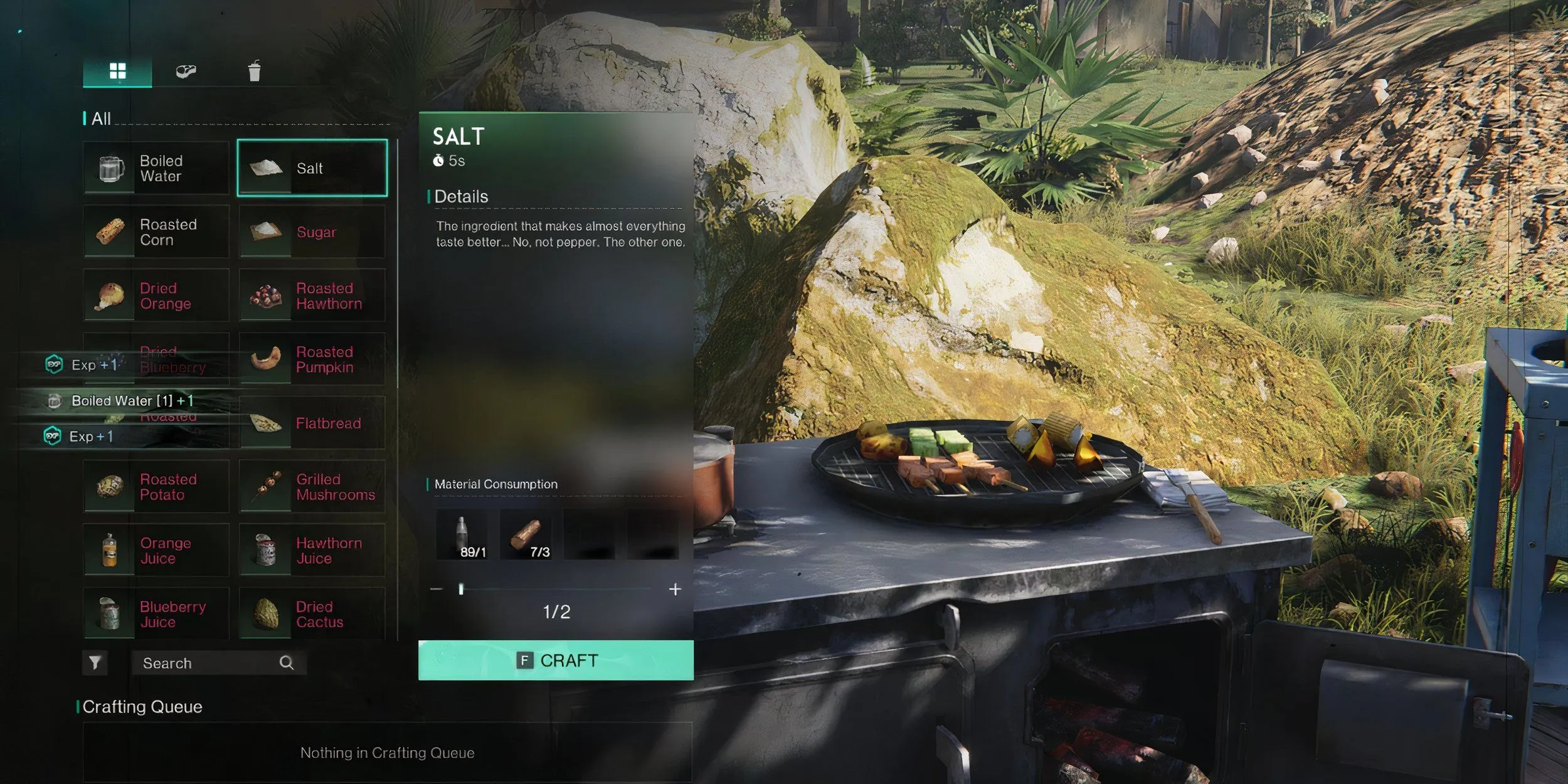
Naturally, you’ll stumble upon small amounts of salt while looting storage containers, abandoned houses, or enemy camps. But let’s face it: the pinch of salt you might find in a rusty cabinet is laughably tiny compared to what you actually need. I remember desperately hoarding those minuscule stacks only to burn through them in minutes while crafting preserved meat or healing items. The real game-changer came when I realized I could set up my own salt production line using nothing more than seawater and a basic stove. It sounds almost too simple, right? But trust me, once you unlock this, your survival loop becomes infinitely smoother.
To get this system rolling, you first need a Stove. This isn’t just any cooking station—it’s the core tool for transforming seawater into precious salt. Head over to your Memetic menu and open the Managing Skill tree. Right there on the first tier, you’ll spot the Stove blueprint. Unlock it using your Memetic points (I usually prioritize this after getting basic weapons and shelter up). Once unlocked, gather the required materials: some wood, stone, and a few other common scraps. Craft the Stove and place it somewhere convenient in your base. I like to set mine near my storage area so I can quickly stash the finished salt. 🔥
Now comes the part that might trip up newcomers: gathering Seawater. The map of Once Human is riddled with bodies of water, but be careful—you need the ocean, not a lake! Lakes will just give you plain water, which won’t work for salt production. I learned this the hard way after hiking to a huge lake, collecting dozens of containers, and then staring at my Stove in confusion. To avoid my mistake, stick to beach areas or any coastline with waves and that telltale salty smell. Walk into the ocean until the water level reaches your character’s chest or deeper, and you’ll see a “Collect” prompt pop up. 🌊
Here’s a crucial detail: you need a sealed container to scoop up that seawater. A simple glass bottle or a canteen works perfectly—just make sure it’s empty beforehand. I always carry a stack of five or six bottles whenever I head to the coast. One run can net you plenty of seawater, but because the process of boiling it down takes time, it’s smart to stockpile a decent amount. Pro tip: after you’ve filled your containers, don’t trudge all the way back on foot. Look for the nearest Teleportation Tower. These towers are scattered across the map, and once activated, they let you fast-travel directly to your base in seconds. It’s a huge time-saver that keeps the salt production line humming.
Back at your base, interact with the Stove and open its crafting menu. Among the recipes, you’ll find “Salt” listed plainly. It usually requires one unit of seawater per salt piece, though the game might adjust ratios in recent updates, so double-check the interface. Drop your collected seawater into the Stove’s input slot and fire it up. The process isn’t instant—there’s a short boiling timer—but you can go about other tasks while it works. When it’s done, a satisfying chime plays, and the salt pops out. Grab it, repeat, and before you know it, you’ll have a tidy pile of white crystals ready for anything. 🧂
I’ve found that scaling this setup makes a massive difference. Why stop at one stove? If you have the resources, build two or even three. Place them side by side, load each with seawater, and you’ll churn out salt at triple the speed. I also recommend placing a storage chest exclusively for salt nearby—label it if you’re into organization. This way, you can keep your inventory light while stockpiling hundreds of units for future crafting sessions.
What can you actually do with all this salt? The list is endless. First and foremost, salt is a key ingredient in many cooking recipes. Dishes like salted roast meat or survival stew not only restore hunger but provide buffs that last for hours. These buffs can boost your stamina, reduce damage taken, or increase your gathering speed, and they often hinge on a supply of salt. Beyond food, salt is vital for preservation. In the early game, without a refrigerator, salted meat becomes your best friend—it lasts much longer than raw or cooked meat, preventing spoilage during long scavenging trips. And let’s not forget ammunition crafting. Gunpowder, the lifeblood of your firearms, often requires salt alongside sulfur and charcoal. Without a steady salt income, you might find yourself swinging a pipe wrench at monstrous deviants because you’re out of bullets. 🔫
One more neat trick: if you ever find yourself with an excess of salt (unlikely but possible), you can trade it with other survivors in multiplayer or use it for certain territory upgrades. Some base modules in 2026’s expansion content also started demanding salt as a construction material for advanced water purification systems, so having a reserve is always wise.
So, if you’re tired of scraping together random salt crystals from loot containers and watching them vanish in minutes, take my advice: set up your own salt farm. The combination of a Stove, some bottles, and a short trip to the beach creates an infinite loop that will support you through every stage of the game. It’s one of those small investments that pays off massively, turning a rare commodity into a renewable resource right at your fingertips. I wish I had known this trick from day one—now you do. Go get that salt, survivor! 🌟